Welcome to the next Stonehill Forex Indicator Study. This research represents an investigative look into how and why some indicators work and some don’t work as well.
Increased Efficiency
We introduce indicators not included with the MT4 platform to find more efficient indicators which may yield superior results than older indicators better suited for different markets.
Our Next Indicator Choice is…
TheVIDYA (Variable Index Dynamic Average)is our next baseline indicator choice. This indicator was developed by Tushar Chande in 1992 and was first showcased in the March edition of Technical Analysis of Stock & Commodities magazine. Mr. Chande’s objective was to improve the performance of the EMA (Exponential Moving Average) by increasing its ability to react quicker to market conditions. This was achieved by applying a standard deviation to the SMA (simple moving average). This creates an indicator that is highly responsive to price.
Keeping Up
As all moving averages are considered “lagging”, the ability for an indicator to better react is immensely helpful to us as trend traders, where quickly identifying the beginning and end of a trend, translates into more pips in your pocket.
Baseline Indicator
TheVIDYApresents as an on-chart indicator, overlaying price (See snapshot below). We consider it a “baseline indicator”. A baseline indicator falls into the category of indicators whereby it serves as an initial gatekeeper when setting up your algorithm. These concepts are explained in great detail in the Stonehill Forex Advanced Course:HERE.
Advantages
-
Single line signal
-
Reduced lag as market conditions change
-
Definitive short/long signal
-
Makes a good exit signal as well
Simple, Yet Elegant
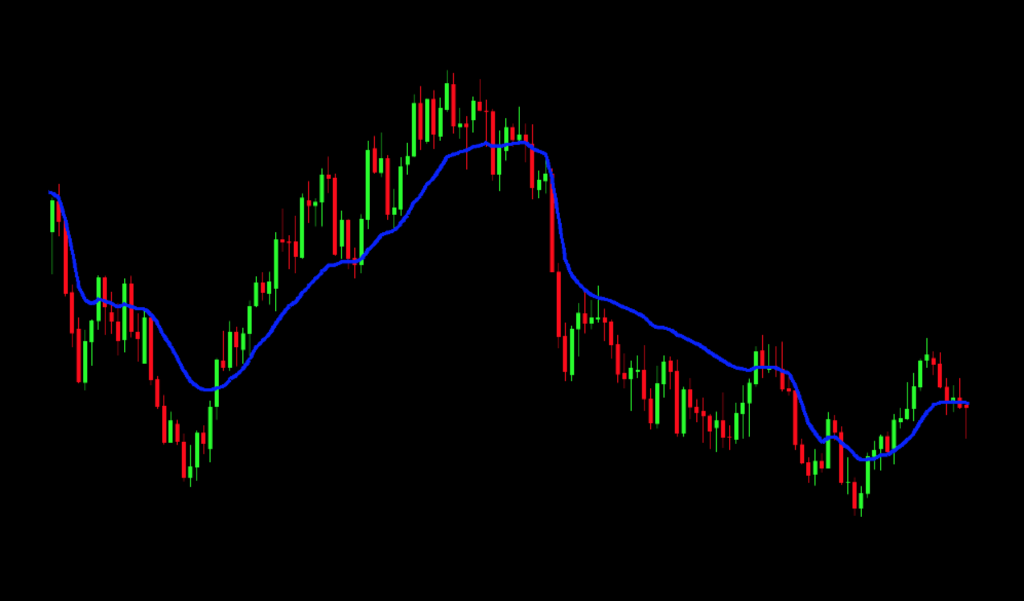
Below is a screenshot of what the indicator looks like on the daily time frame. Note that we’ve coloredbull candles “green”andbear candles “red”to demonstrate where signals are located, contrary to the normal“white”candles we use for indicator blogs. We’ve also thickened the indicator line to make it more visible.
How We Use It
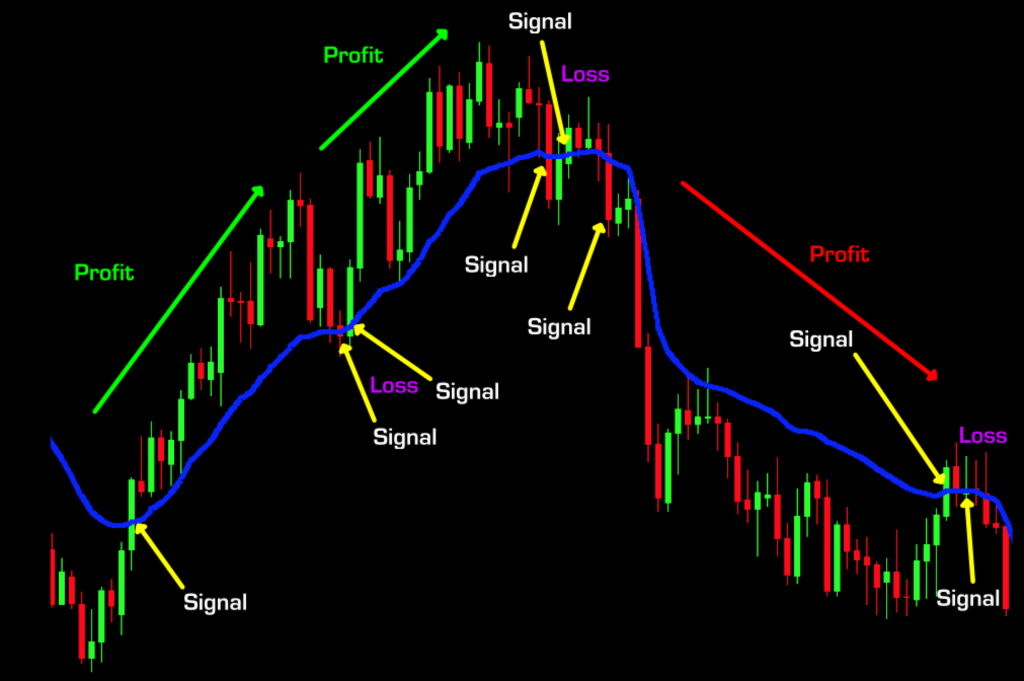
The signal occurs on the opening of the period following the close of the candle below (long) or above (short) theVIDYAline. You’ll notice that there are small “losses” recorded in purple. If your algorithm is doing its thing, you probably would not have even been in a trade, preventing those losses from even occurring.
Signals
-
Long = Candle closes above VIDYA line. Entry on open of next candle
-
Short = Candle closed below VIDYA line. Entry on open of next candle
Settings
The settings include; “Period” and “Histper”. The default settings are; 9 and 30. Before we take a closer look, I’ll explain what each parameter represents.
Period: The number of periods to calculate the moving average line.
Histper: Controls the number of historical bars that the indicator uses as a threshold by modifying the smoothness and responsiveness of the indicator.
Testing…Testing…Testing
Remember, comprehensive analysis is strongly suggested, and we advocate backwards and forward testing indicators or systems prior to trading actual funds. We propose conducting your tests on the following five pairs.
EUR/USD
AUD/NZD
EUR/GBP
AUD/CAD
CHF/JPY
If it doesn’t work on these five pairs, chances are it won’t work on other pairs. This is not an absolute, but we’ve found this rule is reliable in most cases.
We’ve added two other pairs to our testing sequence based on feedback we’ve received from our community. They are the:
BTC/USD (Bitcoin/US Dollar)
XAU/USD (Gold/US Dollar)
Timeframes and Results
In our initial test, we’ll run theVIDYAindicator on the EUR/USD, the BTC/USD and XAU/USD using the default settings across the daily and 4-hour timeframes on the MT4 strategy tester. We use the fast method of testing the indicator to get a general idea; however, you may also run the tick-by-tick data set for a more precise result (which takes considerably more time).
As No Nonsense Traders – and therefore Swing Traders, we will not examine shorter time frames in these studies.We will also run an additional test, using different values for the settings, to analyze which one may work better and examine the following results:
Total trades
Win/Loss ratio
ROI (return on investment)
There are other metrics included in the strategy tester report, which can be compared, but these three metrics provide the necessary gauge to make quick decisions as to the usefulness of a particular indicator and its settings.
Next, for comparison, we’ll explore the following;
Daily – 1 year
4-hour – 3 months
The reason exceptionally long (or short) testing periods are not included is due to changing market conditions, which might return irrelevant information. A balance of statistically significant data is necessary for accurate results.
And the Outcome…
Below are the spreadsheets listing the results from our tests.


The green highlighted rows represent “basic tweaks” on the settings which returned better results. Are these the best? Not necessarily. Given that variables including testing date range and broker data are different from person to person, you may find better settings.
Remember, the overall NNFX philosophy of taking profit, risk, and drawdown is thatYOUare creating a system whichYOUwill be trading. Don’t let anybody else take that away from you. Part of the learning process is digging in and doing the work yourself. To learn more about these topics, check out the advanced course!
That beings said, the results we post in these blogs should never be considered specific trading advice.
***Note: Remember, never use just this one indicator as your decision of whether to open or close a trade. It should be part of a system.